Lysine, also known as L-lysine, is an essential amino acid. Although often overlooked, it’s an important part of a healthy diet and plays a crucial role in the general health of the body.
But what is lysine and why is it so important? From its benefits to the possible side effects of lysine, this article will answer all of your questions about lysine!
Contents:
- What Is Lysine?
- L-Lysine Uses
- Benefits of Lysine
- L-Lysine Food Sources
- Nutritional Value of Lysine
- Lysine Dosage
- When to Take L-Lysine
- Possible Side Effects of Lysine
- Purchasing Lysine
- FAQs
What Is Lysine?
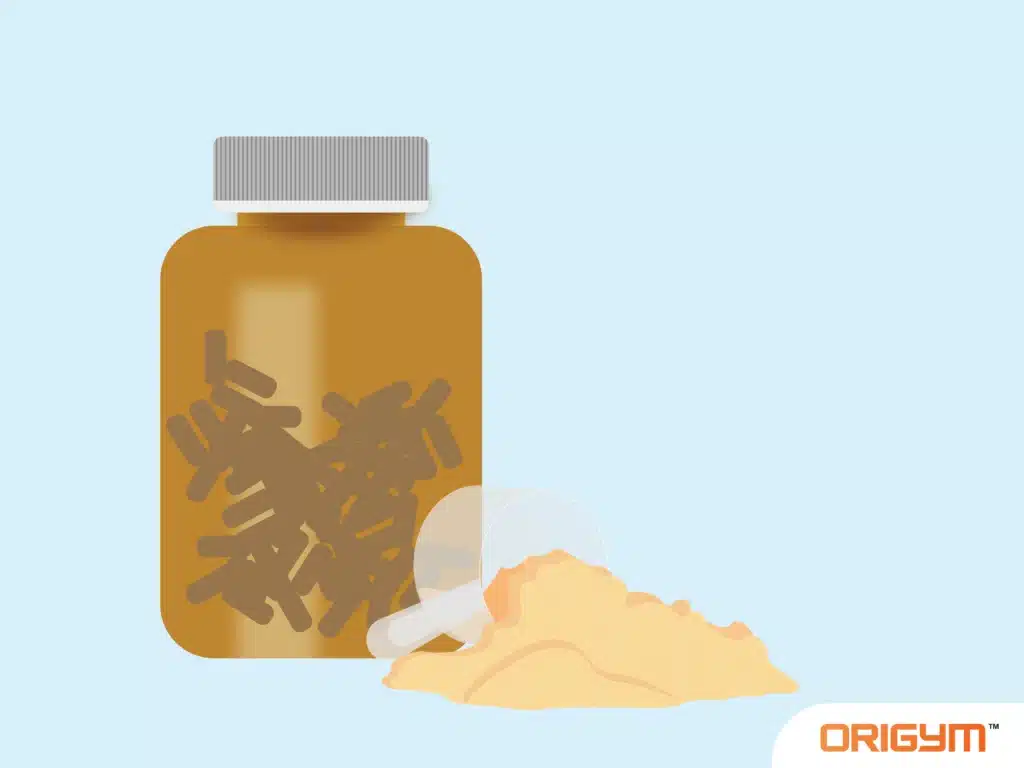
Lysine is one of the nine essential amino acids. Amino acids are the building blocks of protein, making them vital for growth, tissue repair and overall body function.
As the body cannot produce lysine on its own, it must be obtained through food or supplements.
You may also see lysine referred to as L-lysine. Every amino acid has both a ‘D-‘ and an ‘L-‘ form, but the L-form is the one naturally found in foods and used in protein synthesis. As a result, the terms lysine and L-lysine are often used interchangeably.
Lysine plays several important roles in the body. It supports collagen production, helps regulate calcium absorption and is involved in the production of carnitine, a compound that helps convert fat into energy.
As a key building block of muscle tissue, lysine is popular among athletes for supporting muscle growth, recovery and bone health. While most people can meet their lysine needs through a balanced diet, supplementation may benefit those with higher training demands.
L-Lysine Uses
As well as its role in maintaining general growth and repair in the body, Lysine supplements have been used to treat numerous conditions, such as:
- Diabetes
- Bedsores
- Schizophrenia
- High triglycerides levels (fat found in the blood)
- Canker sores (ulcers)
- High blood pressure
L-lysine usage has also been linked to improved athletic performance and muscle strength in athletes.
Lysine supplements are also taken by those who suffer from lysine deficiency. Symptoms of this include poor concentration, fatigue, nausea, and anemia.
Taking a lysine supplement or eating a high-protein diet is great for the body as it can be used to help growth and overall function.
Benefits of Lysine
Keep in mind, lysine won’t necessarily be a miracle cure for any of these health issues below, but it will likely help alleviate some symptoms.
#1- Treatment & Prevention Of Cold Sores
One of the best-known benefits of lysine is its potential role in treating cold sores, which are caused by the herpes simplex virus (HSV).
Cold sores are small, fluid-filled blisters that usually appear around the lips. Although they typically heal within 7-10 days, they can be painful, contagious and affect confidence.
Research suggests lysine may help reduce the duration and severity of outbreaks. A 2005 study found that an ointment containing lysine significantly shortened healing time in most participants.
However, because the ointment also contained ingredients such as zinc and herbal extracts, it’s unclear how much of the effect was due to lysine alone.
While more research is needed, lysine supplements may be worth considering if you experience recurrent cold sores.
#2 – Can Reduce Anxiety
Lysine may also support mental wellbeing. Although established treatments such as talking therapies and medication remain the primary options for anxiety, some research suggests certain dietary supplements could also help.
A 2010 review found strong evidence that a combination of L-lysine and L-arginine may help reduce symptoms of anxiety. Researchers believe this may be because lysine influences serotonin receptors, which play an important role in mood regulation.
While these findings are promising, more research is needed before lysine can be recommended as a standalone treatment.
#3 – Improves Calcium Absorption & Retention
Lysine may improve the body’s ability to absorb and retain calcium, a mineral essential for healthy bones, teeth, muscles, nerves and normal blood clotting.
Adequate calcium intake helps reduce the risk of conditions such as osteoporosis, and good dietary sources include:
- Milk, cheese and other dairy products
- Fortified bread and cereals
- Green vegetables such as kale and okra
- Oily fish with edible bones, such as sardines
Although evidence that lysine directly reduces osteoporosis risk is limited, supporting calcium absorption may contribute to long-term bone health.
Similar to calcium, eating foods high in antioxidants also has many benefits for helping your body’s overall function.
#4- Promotes Wound Healing
Lysine is essential for collagen production, which helps maintain the structure of the skin, bones, tendons and ligaments.
As collagen plays a key role in tissue repair, lysine may help support wound healing. In one animal study, rabbits fed a lysine- and arginine-rich diet healed wounds more quickly than those that were not.
While further human research is needed, these findings suggest lysine may help support the body’s natural healing process.
#5 – Helps In The Treatment of Cancer
Researchers are also investigating lysine’s potential role in cancer treatment.
Laboratory research from Florida State University found that lysine triggered a process causing cancer cells to self-destruct while leaving healthy cells largely unaffected. However, these findings are still in the early stages and have not yet translated into established cancer treatments.
More research is needed before lysine can be recommended for this purpose. For now, maintaining a balanced diet remains one of the best ways to support overall health and reduce disease risk.
#6- May Help Schizophrenia Sufferers
Some research suggests lysine may help reduce certain symptoms of schizophrenia when used alongside conventional treatment.
Schizophrenia is a long-term mental health condition that affects how a person thinks, feels and perceives reality. One study found that patients taking L-lysine supplements alongside their usual treatment experienced greater improvements in negative symptoms than those who did not.
However, it’s still unclear why lysine may have this effect, and more research is needed to determine the most effective dosage and treatment duration. If you think you may have symptoms of schizophrenia, speak to a healthcare professional.
#7- Strengthens Muscles
Lysine plays an important role in muscle growth because it is an essential amino acid involved in protein synthesis.
Combined with regular strength training and a protein-rich diet, adequate lysine intake can help support muscle repair and growth. This is one reason lysine is popular among athletes, although total protein intake remains the most important factor for building muscle.
If you’re looking to increase your protein intake, a quality whey protein powder can be a convenient option.
– – –
Enjoying this article so far? Here’s 3 more we think you’ll love:
- 13 Benefits Of Healthy Eating For The Body And Mind
- Nutritionist Job Description
- 17 Best Pre Workout Supplements
#8 – Treats Mouth Ulcers
Mouth ulcers can be painful and frustrating, and while evidence is limited, some research suggests lysine may help reduce their frequency and duration.
Some studies indicate that 500mg of lysine daily may help prevent mouth ulcers, while 4,000mg daily may shorten healing time. However, stronger evidence is needed to confirm these effects.
If you’re prone to mouth ulcers, increasing your lysine intake through food or supplements may be worth considering after speaking with a healthcare professional.
#9 – Improves Skin
Lysine helps the body produce collagen, which is essential for maintaining healthy, elastic skin.
Although there’s little evidence that lysine directly improves acne, getting enough through a balanced, protein-rich diet may help support overall skin health. A nutritious diet is generally a more effective long-term approach than relying on supplements alone.
#10- Boosts Hair Health
Lysine may also contribute to healthy hair growth. As an essential amino acid involved in hair structure, low lysine levels have been linked to hair loss in some cases.
Ensuring you get enough lysine through your diet or supplements may help support healthy hair growth, although more research is needed to confirm its effectiveness. Protein-rich foods such as eggs are another excellent choice for maintaining healthy hair.
Find out more about this with our article on the benefits of eating eggs.
L-Lysine Food Sources

Now you know the benefits of L-lysine, you may be wondering how to get more of it in your diet.
Lysine is found primarily in protein-rich foods, particularly meat and dairy products. Good sources include:
- Meat, such as beef, lamb, pork and poultry
- Fish, particularly cod and sardines
- Parmesan cheese
- Eggs
- Beans
- Nuts
- Wheat germ
- Spirulina (freshwater algae)
Those following a vegan or vegetarian diet can still get plenty of lysine from plant-based foods, including quinoa, lentils and soy milk.
If you’re vegan and looking to get more protein into your diet, stocking up on these high-protein vegan snacks is an easy way to do so!
Nutritional Value of Lysine
Understanding lysine’s nutritional value can help you choose the best food and supplement sources.
Foods are generally considered good sources of lysine if they contain at least 51mg of lysine per gram of protein.
A ¼ teaspoon of pure lysine powder typically provides around 435mg of lysine and can be mixed into water, smoothies or fruit juice. When choosing a supplement, go for pure lysine without added flavourings or sweeteners to avoid unnecessary sugars and carbohydrates.
Powders can be mixed into foods such as yoghurt or smoothies, but this will increase their calorie content. If you’d prefer a calorie-free option, lysine capsules are a convenient alternative, with some providing up to 1,000mg per capsule.
Whichever form you choose, aim to consume lysine in its purest form rather than alongside foods high in fat or sugar to get the most from your supplement.
If you’re looking to increase your protein intake without the added carbs, check out these low carb protein powders to add into your shakes and smoothies.
Lysine Dosage
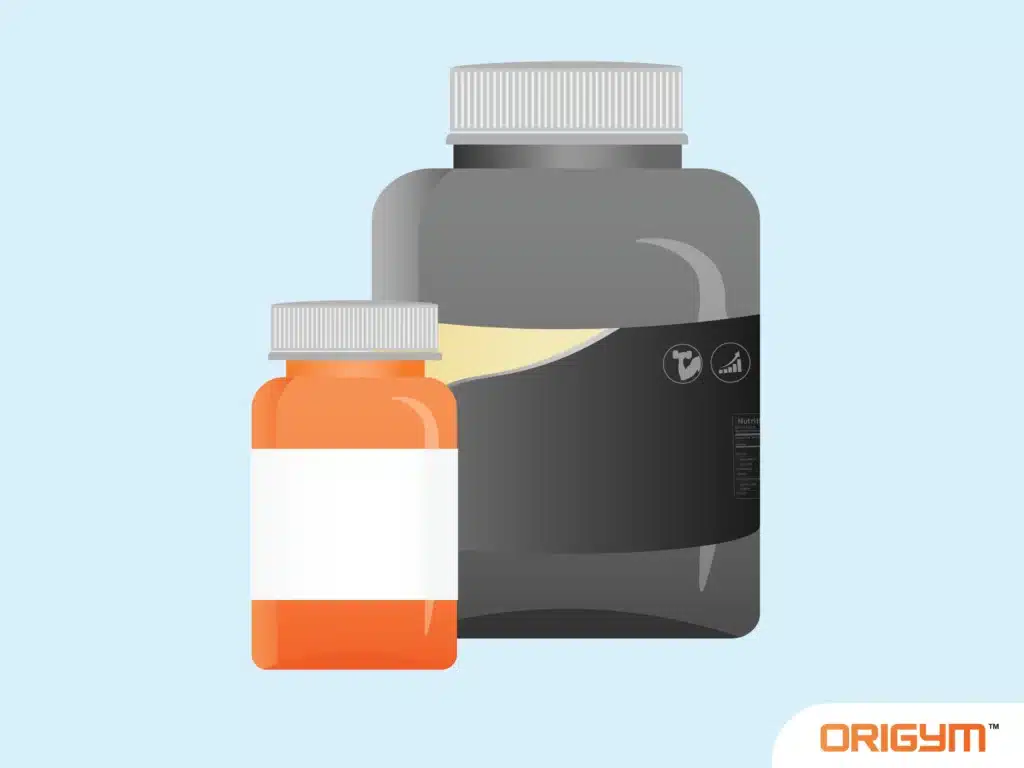
If you’re considering taking lysine, it’s important to know how much you need. The ideal dosage varies depending on factors such as body size, diet, and the reason for supplementation.
Most people can meet their lysine requirements through a balanced diet and don’t need supplements. However, those following vegan or vegetarian diets should ensure they’re getting enough lysine from plant-based sources.
Lysine supplements are generally considered safe when taken as directed, and there are no documented cases of lysine overdose. For herpes simplex prevention, research suggests a daily dose of 500-3,000mg may be appropriate, although the optimal amount is still unclear.
For reference, someone weighing around 154lb (70kg) typically requires 800-3,000mg of lysine per day. Many common foods provide substantial amounts, including:
- ½ can of tuna: 2,400mg
- 3oz baked chicken: 2,232mg
- 3oz cheese: 1,650mg
- 1 cup of granola: 500mg
While these values vary between products, they illustrate most people can meet their lysine needs through their diet alone.
When To Take L-Lysine

While there isn’t necessarily a ‘best’ time to take l-lysine supplements, they’re believed to be most effective when taken with water on an empty stomach.
If you’re wondering when to take l-lysine supplements, morning time after first waking up is ideal. You could make it part of your routine before your morning black coffee!
Alternatively, if taking a lysine supplement isn’t for you but you still want to increase your consumption, ensure you have three set high-protein meals a day to receive a suitable amount of lysine.
Possible Side Effects Of Lysine

Lysine is generally considered safe when taken within the recommended dosage. However, taking high doses of lysine supplements may cause side effects, including:
- Diarrhoea
- Stomach cramps
- Abdominal pain
- Nausea
- Gallstones
- Kidney problems
These side effects are associated with lysine supplements, not lysine obtained naturally from food. If you have kidney or liver disease, speak to your doctor before taking lysine supplements.
Although allergic reactions are rare, seek immediate medical attention if you experience symptoms such as difficulty breathing, hives, or swelling of the face, lips, tongue or throat. If you develop milder side effects, stop taking the supplement and consult your GP.
There is currently limited research on the safety of lysine supplements during pregnancy and breastfeeding, so they are generally not recommended unless advised by a healthcare professional. However, getting lysine through a balanced diet is considered safe.
Purchasing Lysine

Most people can get enough lysine from a balanced, high-protein diet. However, athletes and those who struggle to meet their requirements through food alone may benefit from a lysine supplement.
Before taking any supplement, consider:
- Do I actually need to increase my lysine intake?
- Can I take it alongside my current medications?
- Which form is best for me – capsule, powder or liquid?
- How long should I take it for?
When choosing a supplement, always read the label carefully. Look for clear ingredient lists, dosage information, expiry dates and evidence the product has been tested for safety and quality.
If you’re buying online, compare reputable brands and check customer reviews before making a purchase. If you’re unsure whether a lysine supplement is right for you, speak to your GP or another qualified healthcare professional first.
FAQs
#1 – Can I Take Lysine Every Day?
Lysine is generally considered safe to take every day.
However, while it’s unlikely you’ll experience many l-lysine side effects, when taking supplements, you should always stick to the recommended dosage.
Ultimately, consuming lysine every day is not going to be harmful to your body if you remain within the recommended l-lysine dosage.
#2 – Can I Take Lysine Supplements With Other Medications?
If you’re wanting to start taking lysine supplements, you should first check how it will interact with any other medication you may currently be taking.
There’s a chance l-lysine may react with aminoglycosides, a type of antibiotic given by doctors to treat serious infections. In some cases, this may result in damage to the kidneys.
Furthermore, as lysine increases the absorption of calcium, you should be aware of how much of it you consume. Whilst you can receive many benefits from a suitable level of calcium, too much of it may actually result in weaker bones, kidney stones, and heart issues.
If you’re taking medication, be sure to consult your doctor before taking lysine supplements.
#3 – Can Lysine Help With Wrinkles?
A possible aid in maintaining a youthful appearance could be down to lysine. However, it’s not a miracle cure.
L-lysine is required in the production of collagen, which is what keeps your skin firm and structured. As it’s important for producing collagen, having enough of it in your diet is important.
Wrinkles are a natural part of the aging process and even with the best skin care routine, you will eventually get them. However, there are things you can do to prevent premature wrinkles such as moisturising daily, staying hydrated, and not smoking.
Ready to Join the Health & Fitness Industry?
Now you have a better understanding of lysine and what it can do, you can decide whether it’s something for you.
If this has sparked your interest in health and fitness, why not deepen your knowledge by taking a personal training course with OriGym? Download our free prospectus here to find out more about OriGym and the fitness courses we offer.
References
Mailoo, Venthan J.; and Rampes, Sanketh, ‘Lysine for Herpes Simplex Prophylaxis: A Review of the Evidence’ in Integrative Medicine: A Clinician’s Journal (June 2017, Vol. 16, Issue 3) 42–46
Singh, Meenu et al., ‘Medicinal Uses of L-Lysine: Past and Future’ in International Journal of Research in Pharmaceutical Sciences (January 2011, Vol. 2, Issue 4) 637-642
Singh, Betsy B. et al., ‘Safety and effectiveness of an L-lysine, zinc, and herbal-based product on the treatment of facial and circumoral herpes’ in Alternative Medicine Review (June 2005, Vol. 10, Issue 2) 123-7. PMID: 15989381
Chi, Ching-Chi et al., ‘Interventions for prevention of herpes simplex labialis (cold sores on the lips)’ in Cochrane Database System Review (August 2015, Issue 8) 1-120.
Gaby, Alan R., ‘Natural Remedies for Herpes Simplex’ in Alternative Medicine Review (June 2006, Vol. 11, Issue 2) 93-101. PMID: 16813459
Lakhan, Shaheen E.; and Vieira, Karen F., ‘Nutritional and herbal supplements for anxiety and anxiety-related disorders: systematic review’ in Nutrition Journal (October 2010, Vol. 9, Issue 42) 1-14, doi: 10.1186/1475-2891-9-42
Sinha, Shivam; and Goel, Satish Chandra, ‘Effect of amino acids lysine and arginine on fracture healing in rabbits: A radiological and histomorphological analysis’ in Indian Journal of Orthopaedics (October-December 2009, Vol. 43, Issue 4) 328-334.